

Comprehensive Guide to Troubleshooting Heavy Machinery
- Jake Pruitt
- Mar 16
- 4 min read

When heavy machinery breaks down, it can bring work to a halt and cause costly delays. I understand how frustrating it is to face unexpected equipment issues, especially when deadlines are tight. That’s why I want to share a clear, practical approach to troubleshooting heavy machinery. This guide will help you identify common problems, understand their causes, and take effective steps to fix them. Whether you operate trucks, farm equipment, or construction machines, this information will help you get back on track quickly.
Understanding Troubleshooting Heavy Machinery
Troubleshooting heavy machinery means systematically diagnosing and resolving problems that affect the performance of your equipment. It involves observing symptoms, testing components, and applying fixes to restore normal operation. The key is to work methodically and avoid guessing, which can waste time and cause further damage.
For example, if your excavator won’t start, you don’t just keep turning the key. Instead, you check the battery, fuel supply, and ignition system step by step. This approach saves time and ensures you address the root cause.
Heavy machinery often has complex systems like hydraulics, engines, and electrical circuits. Knowing how these parts work together helps you pinpoint issues faster. I recommend keeping a maintenance log and service manual handy. These resources provide valuable information about your specific equipment model.

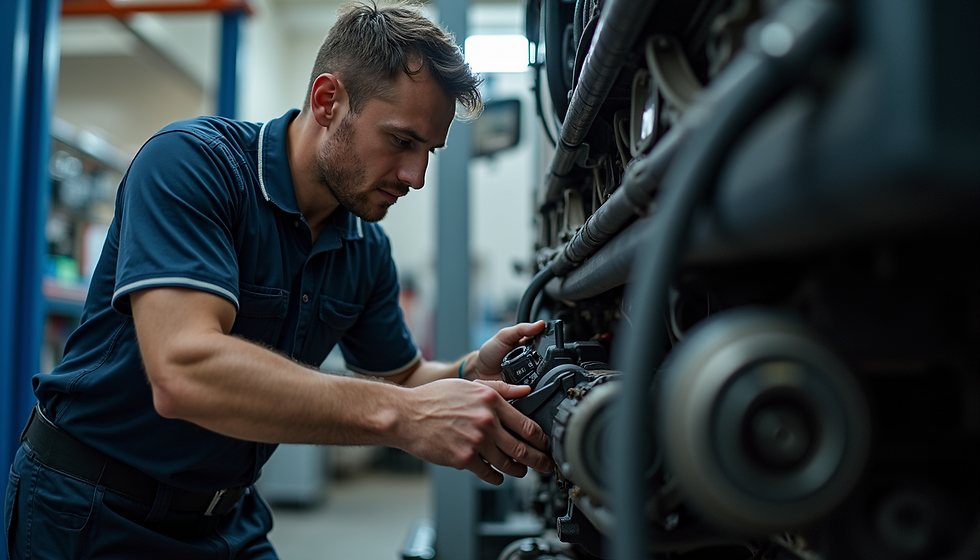
Close-up view of heavy machinery engine components
Common Issues and Troubleshooting Heavy Machinery
Heavy equipment can experience a range of problems. Here are some of the most frequent issues and how to troubleshoot them:
Engine won’t start: Check the battery charge and connections first. Inspect fuel filters and lines for clogs or leaks. Test the starter motor and ignition switch.
Hydraulic system failure: Look for leaks in hoses and fittings. Check hydraulic fluid levels and quality. Inspect the pump and valves for damage or wear.
Overheating: Ensure the radiator is clean and coolant levels are adequate. Check for blocked airflow or faulty fans. Inspect the thermostat and water pump.
Electrical problems: Test fuses, relays, and wiring for continuity. Look for corrosion or loose connections. Use a multimeter to check voltage at key points.
Unusual noises or vibrations: Identify the source by listening carefully. Check bearings, belts, and mounts for wear or damage. Tighten loose bolts and replace worn parts.
By following these steps, you can often resolve issues without needing a mechanic immediately. However, if a problem persists or you’re unsure, it’s best to call a professional.

Eye-level view of hydraulic system on heavy equipment
What are the 5 Basic Steps in Troubleshooting?
When I troubleshoot heavy machinery, I follow five basic steps to stay organized and effective:
Identify the problem: Gather information about the symptoms. Ask questions like when the issue started and what conditions affect it.
Gather data: Inspect the equipment visually and listen for unusual sounds. Use diagnostic tools if available.
Develop a hypothesis: Based on your observations, guess what might be causing the problem.
Test the hypothesis: Perform tests or replace parts to confirm your guess. For example, swap out a suspect fuse or check fluid pressure.
Implement the solution: Once confirmed, fix the issue and test the equipment to ensure it runs properly.
This structured approach reduces guesswork and helps you solve problems faster. It also minimizes the risk of overlooking important details.
Tips for Effective Heavy Equipment Troubleshooting
Here are some practical tips I use to troubleshoot heavy machinery efficiently:
Stay safe: Always follow safety protocols. Turn off the engine and disconnect power before inspecting electrical or moving parts.
Use the right tools: Keep a set of basic tools and diagnostic equipment on hand. This includes wrenches, multimeters, pressure gauges, and cleaning supplies.
Keep records: Document problems and repairs. This history helps identify recurring issues and plan preventive maintenance.
Know your equipment: Study the operator’s manual and maintenance guides. Understanding how your machinery works makes troubleshooting easier.
Don’t rush: Take your time to observe and test carefully. Rushing can lead to missed clues or mistakes.
Ask for help: If you’re stuck, consult experienced technicians or online forums. Sometimes a fresh perspective reveals the solution.
By applying these tips, you can reduce downtime and keep your heavy equipment running smoothly.
When to Call a Professional Mobile Mechanic
While many issues can be handled on-site, some problems require expert attention. If you encounter any of the following, it’s wise to contact a professional mobile mechanic:
Persistent engine or transmission problems
Complex hydraulic system failures
Electrical faults that are difficult to trace
Safety-related malfunctions
Major component replacements or rebuilds
A mobile mechanic can come directly to your location, saving you the hassle of transporting heavy equipment. This service is especially valuable in remote areas or busy job sites.
If you want to learn more about troubleshooting or need expert help, check out this heavy equipment troubleshooting guide. It offers detailed advice and resources tailored to your needs.
Keeping Your Equipment Running Longer
Regular maintenance is the best way to avoid breakdowns. Here are some maintenance practices I recommend:
Change oil and filters on schedule
Inspect and replace worn belts and hoses
Keep hydraulic fluid clean and topped up
Clean radiators and coolers regularly
Check tire pressure and condition
Lubricate moving parts as needed
By staying proactive, you reduce the chances of unexpected failures and extend the life of your machinery.
I hope this guide helps you feel more confident when troubleshooting heavy machinery. Remember, a careful, step-by-step approach is the key to solving problems efficiently. If you ever need assistance, professional mobile mechanics are ready to support you and keep your equipment running smoothly across Northern Nevada.


Comments